How to prevent Chlamydia(Sexually transmitted Diseases)


Let’s talk about STIs for 2 minutes 👇


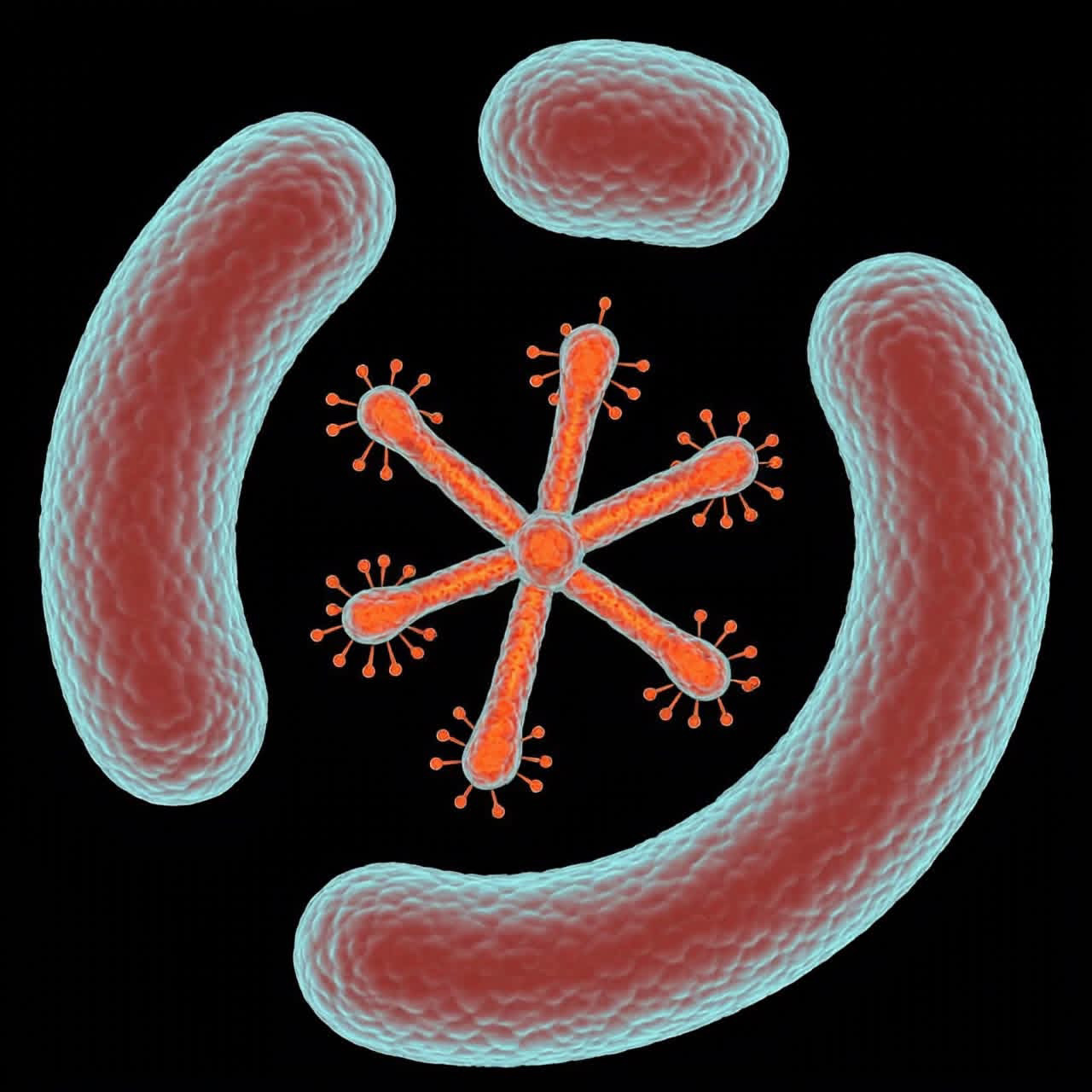
What is Chlamydia?  

It’s a bacterial STI passed through vaginal, anal, or oral sex. It’s one of the most common STIs worldwide, and here’s the tricky part: 70-80% of people have zero symptoms.


In women, untreated chlamydia can cause Pelvic Inflammatory Disease → chronic pain, infertility, ectopic pregnancy.

In men, it can cause epididymitis → testicle pain/swelling, and rarely infertility.

It increases your risk of getting/transmitting HIV.

You can pass it to a baby during childbirth.


Symptoms, when they show up:


Women: unusual discharge, burning when peeing, bleeding between periods, lower belly pain.  


Men: discharge from penis, burning when peeing, testicle pain/swelling.  


Both: rectal pain/discharge/bleeding if exposed anally.


It’s curable with antibiotics. A 7-day course or single dose clears it in most cases.


How to protect yourself:


1. Test regularly if you’re sexually active with new or multiple partners. Don’t wait for symptoms.

2. Use condoms correctly every time. They don’t eliminate risk 100%, but they drop it a lot.

3. Get tested with your partner before stopping protection. “We trust each other” isn’t a test result.

4. Treat + notify partners. If you’re positive, your recent partners need to test and treat too, or you’ll just pass it back and forth.


You can’t get chlamydia from toilet seats, hugging, or sharing food. It needs sexual contact.


Testing is quick, confidential, and often free at public health clinics. It’s usually a urine test or swab. 15 mins of awkward > months of complications.


If this was helpful, share it.


If you think you’re at risk, see a doctor or visit your nearest STI clinic.


#SexualHealth #KnowYourStatus #Chlamydia

Comments

Popular posts from this blog

Skipping meals might be a lifesaver

Intermittent Fasting : Why Skipping Meals Might Actually Be Good for You If someone told you that skipping breakfast could improve your focus , help you lose weight , and even slow down aging, you’d probably raise an eyebrow. For years, we’ve been told to eat three meals a day—snacks included—and never go hungry. But what if hunger , in controlled amounts, could actually heal the body? That’s where intermittent fasting (IF) comes in. So, What Exactly Is Intermittent Fasting? Intermittent fasting isn’t a diet in the traditional sense. It doesn’t tell you what to eat but when to eat. Think of it as giving your body a break from digestion, allowing it to focus on other important processes—like healing, resetting, and fat-burning. There are different ways to do it: 16:8 method– You eat during an 8-hour window (say, 12pm to 8pm) and fast for the remaining 16 hours. 5:2 method – You eat normally for five days and drastically reduce calories for two. Alternate day fasting – You eat every othe...

Tired all the time? It could be burnout and not lack of motivation

Burnout Is Not Laziness: How to Spot the Signs and Bounce Back Naturals By Medtips Magazine. https://www.effectivegatecpm.com/sd3f9izw6r?key=5e340e8deb55161236c662054c277acb Introduction   In today’s fast-paced world, burnout is often misdiagnosed as laziness. But here’s the truth: burnout is real, and it affects your mental, emotional, and physical health.  This article explores the early signs of burnout, how it differs from laziness, and simple natural remedies that can help you recover—without feeling guilty for resting. What Is Burnout?   According to the World Health Organization (WHO), burnout is a state of chronic physical and emotional exhaustion caused by prolonged stress —especially work-related.  It’s not just “being tired,” it’s a health issue that needs attention. Signs You May Be Experiencing Burnout   - Constant fatigue (even after sleep)   - Loss of motivation or productivity    - Brain fog and trouble c...

How can PCOS affect your life?

Polycystic Ovary Syndrome (PCOS)  sounds like a scary medical term, but lets bring it down to the  bared minimum . It isn't a disease you catch from someone-it’s simply a  hormone mix-up  inside your body. Every woman has a balance of hormones, but with PCOS, your body produces a bit too much "male" hormone (called androgens ). Think of it as a gitch in your body's operating system.This glitch tells your ovaries to stop releasing eggs normally, which is why periods go missing and you might see those tiny " follicles " (often mistaken for cysts ) siting in your ovaries. MYTH BUSTER :  You don't actually need to have "cysts" to have PCOS. Many women have clear ovaries but still have the hormone glitch. It's a metabolism and hormone issue, not just an "ovary" problem! How to Spot the Signs PCOS doesnt look the same on everyone. It's like a puzzle where no two women have the exact same pieces. Watch out for these common clues...